|
|||||
|
|
Wednesday, February 05, 2014
The Year Of The Petunia


Thursday, January 30, 2014
Cabin Fever 101
Can you believe this Winter? There are a few warm places but my brain can't seem to retain where they are, California you say!
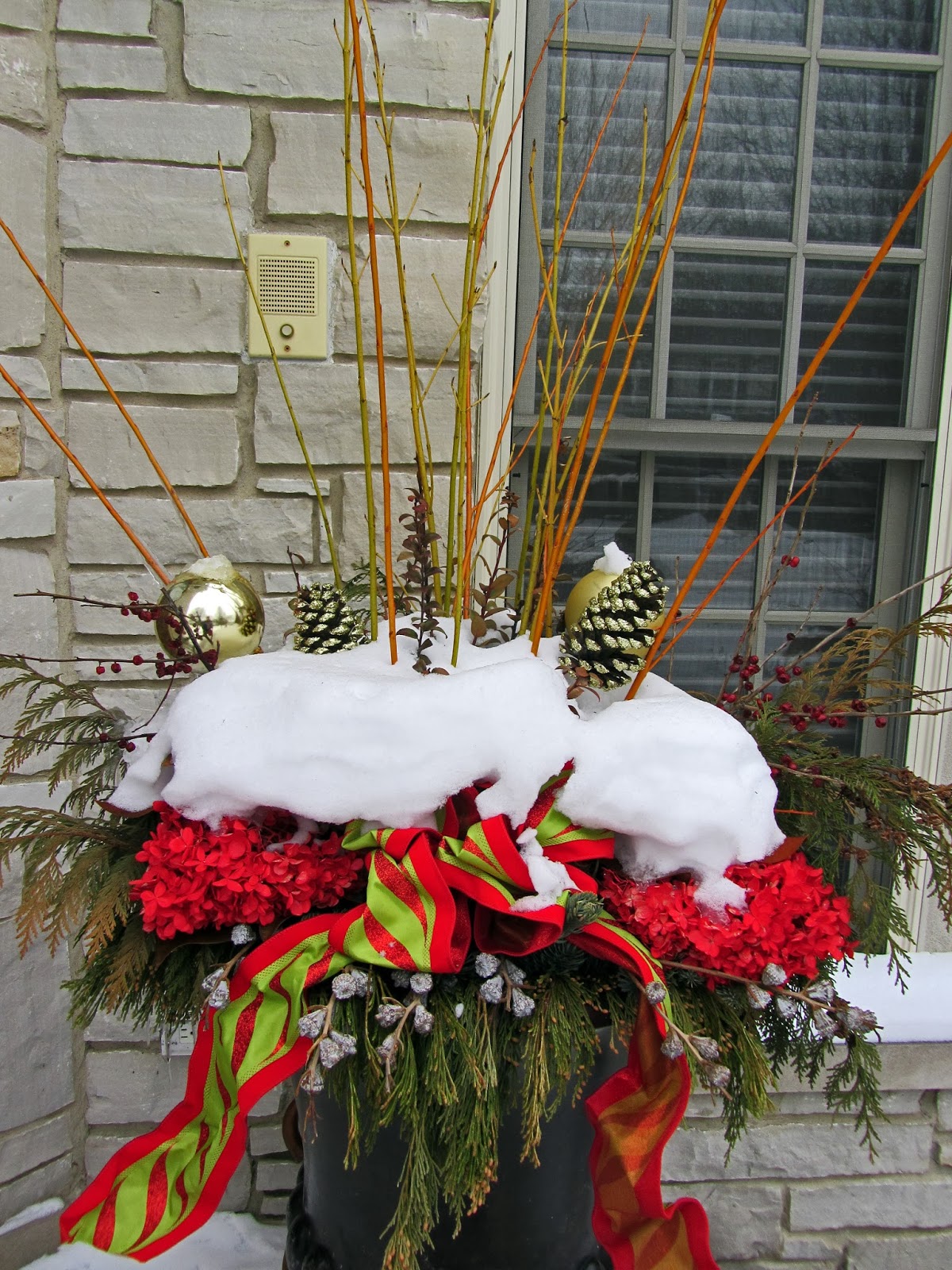
I can't get excited about Spring and a growing season since I haven't seen the ground in months. There was a day or two when my holiday containers were visible but alas they are now under a mound of snow with more to come.
Order some seeds, this will certainly keep me moving forward towards a growing season.

Let's get that growing assembly out and ready for operation!

Sit down with the yellow pad and start planning the garden beds, containers, hayracks, etc.
Think about the workshops, Chicago Garden Show, Mid-Am Show, local garden shows, etc.

You know I am forcing myself to do this!
I can't get excited about Spring and a growing season since I haven't seen the ground in months. There was a day or two when my holiday containers were visible but alas they are now under a mound of snow with more to come.
Order some seeds, this will certainly keep me moving forward towards a growing season.
Let's get that growing assembly out and ready for operation!
Sit down with the yellow pad and start planning the garden beds, containers, hayracks, etc.
Think about the workshops, Chicago Garden Show, Mid-Am Show, local garden shows, etc.
You know I am forcing myself to do this!
Tuesday, January 14, 2014
Dream Time At Gatsbys Gardens
I have been taking a little break during the holiday season and am glad to be back with something that has to do with gardening. It has been unusually cold and snowy in the Chicago area which curtails my outdoor photography.
Even my containers are buried under ice and snow! I do think each year about the intelligence of putting together winter containers only to have them buried in snow for most of the winter season. They are costly and might be just as attractive with some greens or a small boxwood in each one.
I am dreaming about my garden of 2014 and looking back at some newer introductions and great performing older introductions.
 Begonia Santa Cruz (plugs from Harris Seeds) were great most of the summer in full sun. They are a more delicate angel wing variety which I will try again this summer.
 The front containers kept up with the summer heat, large Dragon Wing Begonias in red with Algerian Ivy, Pale Yellow Chiffon Superbells with Pineapple Coleus.


Even my containers are buried under ice and snow! I do think each year about the intelligence of putting together winter containers only to have them buried in snow for most of the winter season. They are costly and might be just as attractive with some greens or a small boxwood in each one.
I am dreaming about my garden of 2014 and looking back at some newer introductions and great performing older introductions.


Petunia Petchoa
I ordered plugs last year from Park Seed and my only complaint is that they faded with full sun. You might see them this year in the nurseries and would be worth a try in the lighter colors, supposedly holds up better in heat than petunias and calibrachoa (it's parents).

Sunpatiens were great this year and will do well in sun or part shade. This variety is not affected by the dreaded mildew.

I loved the variegated leaf variety of Sunpatiens on the north side of the house. They are a little pricey but maybe with more use the price will come down. This is the type of plant that is worth growing from seed indoors if it can be found in the seed catalogs.

Magellan Coral Zinnia was grown from seed started indoors, great bloomers with very large flowers, other colors available This variety is much showier than Profusion Zinnia.

Uproar Zinnia is taller than Magellan, large flowers and looked great growing behind Coral Magellan.

Uproar and Magellan Zinnias
Zinnias are one of the easiest flowers to start from seed, germinates very quickly so don't start too soon indoors.

Mascotte Beans
I received the seeds for this new bean introduction in mid-summer from Harris Seed Company. I planted them on the edge of my raised bed veggie garden and they produced two crops of beans before the end of the summer. This is a great variety for small places, or as an edging.
 This was a German radish from Renee's Seeds, crunchy and a little zip to it.
 The lettuces were mostly from Renee's Seeds with a very special dark red one which you can barely see towards the back.
 The purple grafted heirloom tomato from Harris Seed Company arrived as a plug and was a winner, odd looking but delicious.


Thursday, November 07, 2013
A Season To Celebrate
Fall is a season we can plan for, not necessarily planting and enjoying the color of flowers, however, there are many plants that put on a show in late summer and fall. I am suggesting by planning ahead with trees shrubbery and perennials, fall can be a beautiful burst of color before the snow rolls in!


Dwarf Fothergilla

Tor Spirea

Ninebark Summer Wine
The above three shrubs are my favorites, but there are several others that display great fall color.

Weigela Wine and Roses

Weigela Dark Horse
Smaller shrub with lots of gold in the fall

Azalea Karen
Keeps its leaves all winter

Hydrangea Limelight
This is pretty much how Limelight will look all winter, leaves gone, flowers dried.

Itea Henry's Garnet
Just beginning to change

The trees all have their own color timeline, Magnolia in foreground, Accolade Elm on the right and Chanticleer Pear in the background.

Heuchera Pinot Gris
Don't forget some of the Heucheras stay for the winter and even peek out under the snow.

Heuchera Southern Comfort
Stays colorful all winter

Variegated Solomon's Seal
This plant had a lot of insect damage this summer, not sure what was stripping the leaves.
Tuesday, October 22, 2013
The Great Pumpkin
This is a repost from 2010


Carving pumpkins into Jack-O-Lanterns is a centuries old tradition which began with the Irish carving turnips and beets as lanterns placing them in their windows, lit from the inside with a lump of coal. They were used as a welcome for those who had passed on and as a deterrent to evil spirits. When the Irish immigrated to the United States in 1848 during the potato famine they could not find many turnips or beets, but found an abundance of pumpkins. From this time on, the carving and lighting of the pumpkin became a tradition in the United States on All Souls Day. This tradition later became transferred to the day we celebrate Halloween.

Did you know that pumpkins are not a vegetable - they are a fruit! Pumpkins, like gourds and other varieties of squash are all members of the Cucurbitacae family, which also includes cucumbers, gherkins and melons. Pumpkins have been grown in America for over 5,000 years. They were unknown in Europe before the time of Columbus.
If you are going to carve a face in your pumpkin it works very well with an elongated pumpkin rather than a round squatty one. It is so much easier to carve if you have a very ripe pumpkin, hard to know this until you stick in the knife. Sketch out your face on the best side of the pumpkin,, cut a circular lid on top (large enough to insert an LED candle) scoop out all of the seeds. Separate the stringy fibers from the seeds and wash the seeds in a colander.


If you are doing this with children it is fun to let them tell you how it feels when they scoop out the seeds, talk about shapes, colors, ask them how many seeds they think are in the pumpkin. Help them lift the pumpkin, how much do they think it weighs, show them on a scale. I think you get the idea, this can be a multi-level integrated experience for children. Lay the seeds out on paper towels and when dry, it is a great activity to count them by ones and then tens. It is always amazing how many seeds are in a pumpkin!


You can't stop eating them! This is a child tested recipe for pumpkin seeds.
Make sure the seeds are dry
Put them in a frying pan with butter and salt
Cook slowly until brownish stirring often
Drain on paper towel

Yum, Yum!


A traditional Irish Halloween Jack-O-Lantern from early 20th century at Museum of Country Life, Ireland
Did you know that pumpkins are not a vegetable - they are a fruit! Pumpkins, like gourds and other varieties of squash are all members of the Cucurbitacae family, which also includes cucumbers, gherkins and melons. Pumpkins have been grown in America for over 5,000 years. They were unknown in Europe before the time of Columbus.
If you are going to carve a face in your pumpkin it works very well with an elongated pumpkin rather than a round squatty one. It is so much easier to carve if you have a very ripe pumpkin, hard to know this until you stick in the knife. Sketch out your face on the best side of the pumpkin,, cut a circular lid on top (large enough to insert an LED candle) scoop out all of the seeds. Separate the stringy fibers from the seeds and wash the seeds in a colander.


I think the children are better artists than I am
If you are doing this with children it is fun to let them tell you how it feels when they scoop out the seeds, talk about shapes, colors, ask them how many seeds they think are in the pumpkin. Help them lift the pumpkin, how much do they think it weighs, show them on a scale. I think you get the idea, this can be a multi-level integrated experience for children. Lay the seeds out on paper towels and when dry, it is a great activity to count them by ones and then tens. It is always amazing how many seeds are in a pumpkin!


This is certainly not a professional carving job!

You can't stop eating them! This is a child tested recipe for pumpkin seeds.
Make sure the seeds are dry
Put them in a frying pan with butter and salt
Cook slowly until brownish stirring often
Drain on paper towel


LED candles fit inside and are safe. I have a six inch one in this pumpkin.
Subscribe to:
Posts (Atom)