Thursday, April 25, 2013

Around The Garden

It hasn't been much fun walking around the garden lately, so little to see for most of the spring, but I am inspired by the blooms over the past week and hope that warmer weather will come soon.
 
 
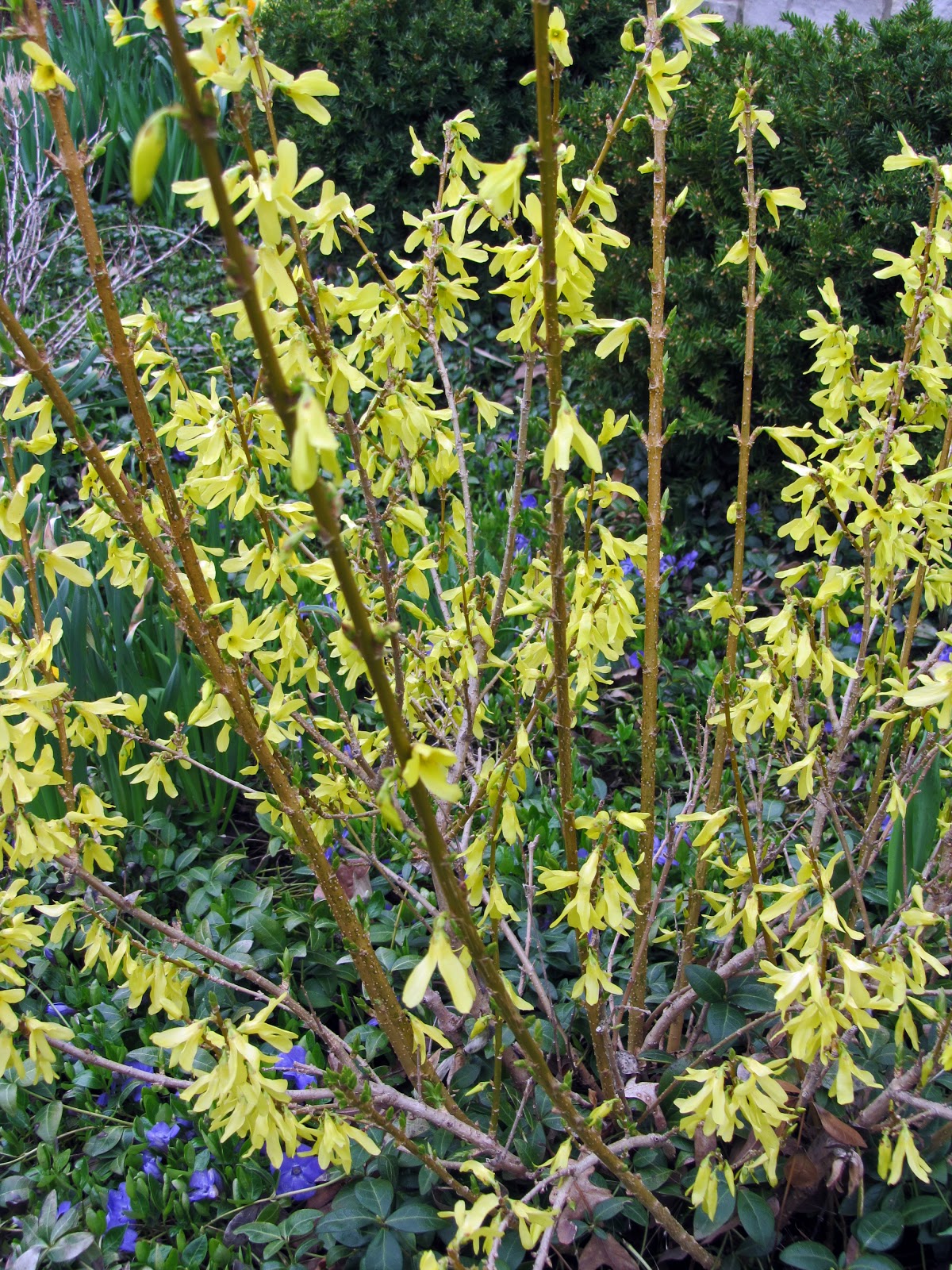
Forsythia Bronxensis Greensteem
This is a smaller lemon yellow variety.
 
 
Daffodil Sagitta
 
Daffodil Marieke
 
Daffodil Itzim
Very early and lasts longer than Tete-A-Tete
 
Daffodil Spellbinder
 
Daffodil Fortissimo 
 
 
Front South Border
The containers haven't really taken off yet, daffodils coming up in middle.  It will be time to plant for summer before anything happens here!
 
This is the time of year I enjoy the groundcover Myrtle Blue Dart, adds an extra blooming dimension to the garden.  Be careful with the types of groundcover you choose or you will be tearing it and your hair out if it begins to overtake your garden.  Blue Dart is one that is a little dificult to plant through but is not invasive like other myrtles.
 
Hyacinth Blue Delft
These come up each year under the Itea and I hate to move them, they look so natural.
 
Hyacinth Pink Pearl
When Hyacinths look natural and a little floppy they are at their best, not soldiers anymore but dancers in the garden.
 
Daffodil Ice Follies
 
I am waiting for lots of blooms to open this coming week with our warmer weather.


Sunday, April 14, 2013

Things To Do When Spring Has Not Sprung


We are playing a waiting game, but there are many tasks we can do while waiting for the weather to catch up with the calendar.

Prune the roses and feed them.


Lay the mulch and cut down all of the dead foliage.


Feed the acid loving plants and sprinkle a general fertilizer throughout the rest of the garden.  I have found that this doesn't have to be a major chore, I just pretend I am feeding the chickens!  For specific acid loving plants and my clematis I work a small amount into the soil around the roots.
Clematis and grape hyacinth against south side
 
Clematis Bourbon (type 2) that you don't cut down, trim lightly

Turn over the vegetable garden, work in a slow release fertilizer like Osmocote and plant the cool weather veggies, like lettuce, radishes spinach, onions, etc.


Trim the hydrangeas that bloom on old and new wood in the shape of an ice cream cone for overall blooms from bottom to top.  I have learned to leave Endless Summer alone, no trimming except what is dead when it begins to leaf out and fertilize very sparingly because it is nitrogen sensitive.  Too much nitrogen and it will produce more leaves than flowers.

Hydrangea Limelight
 
The grasses can be trimmed to about six inches high, do not shave them or the crown can be damaged.  I have learned not to fertilize grasses as they tend to grow excessively and become floppy.


Heucheras can look pretty bad this time of year.  Trim off all of the shriveled leaves and make sure the roots have not heaved out of the ground, gently push back down if this has happened.


Get the containers ready, replace potting soil where necessary, add water crystals towards the bottom of the pots.  I had a great suggestion from a fellow blogger to line hayracks with plastic bags and put holes all around one inch down from the top for excess water.  I am definitely going to try this for the summer as my baskets always dry out quickly.


Sunday, April 07, 2013

Mulch, Mulch

I have used all different types of mulch throughout the years, cedar, no float, bark, Scott's Brown Mulch and lately a shredded hardwood mulch from a local nursery. 


This last one is the one my dogs have voted the best as they immediately want to roll in it!  It is the most expensive but it looks wonderful in my garden beds.

The larger mulch lasts longer and does not wash away easily, useful in areas that retain a lot of water.

About half of my garden does not require mulch, Blue Dart Myrtle and Liriope cover the ground.  Groundcovers though great looking all year can be difficult to plant through and I have chosen to keep my rose and more delicate perennial beds groundcover free.

My grass in the back garden looks terrible this year from lack of winter snow cover (grass dessication) and I am not sure it will all come back without help.  I have lightly raked and over seeded.  Maybe I should mulch the whole yard?


This winter has caused some other issues with the emerging spring bulbs (some had come up in the fall) tops are burned and the flowers look like they are going to be blasted (dried up inside).


My poor Accolade Elm in front that had been root damaged over and over was trimmed by the village this winter to accommodate the root loss.  Last year it was severely attacked by inchworms leaving it with a multitude of chewed leaves.  This spring I will treat it with a twelve month systemic by Bayer to get rid of the inchworms and fertilize for the first time in two years.  It was recommended not to fertilize after root damage (too much stimulation).

That crooked branch that is jutting out belongs to the tree across the street, hope this newer little Elm survives!

Oh well, I am cleaning my outdoor furniture, fertilizing the beds, pruning the roses and pretending that spring has come!

Friday, March 29, 2013

Lights, Camera, Action

I almost didn't think of planting my seeds under lights this year, but I was inspired by a fellow blogger Lona to again begin my garden indoors.  I don't know what happened, many of the new introductions were not offered in seeds and I just couldn't make up my mind what to grow.

I browsed through the catalogs very late and chose some annuals and vegetables that were of interest.

I have four levels of lights that are plenty of room for me.  Lights are on a timer and have moved very close to the plants at this time, on for fourteen hours per day.  These are the zinnias just developing their second true leaves.

Zinnia Uproar (Rose)
I usually start plants from seed when they are not readily available in the nurseries or are super expensive to buy several.  I saw this one last fall in the Catingy test garden and they gave it rave reviews.


Zinnia Magellean Coral
This is a shorter zinnia with large flower heads.
 
Dichondra Emerald Falls
I grew Silver Falls last year and it was very heat tolerant.
 
Parks Improved Whopper
 
Pepper Mariachi
Very prolific pepper, have never seen this one at the nursery, AAS winner.  It has some heat to it but not scorching.
 
That's it for indoor gardening this year, ready to plant my lettuce, radishes, spinach and onions outside today!


Wednesday, March 13, 2013

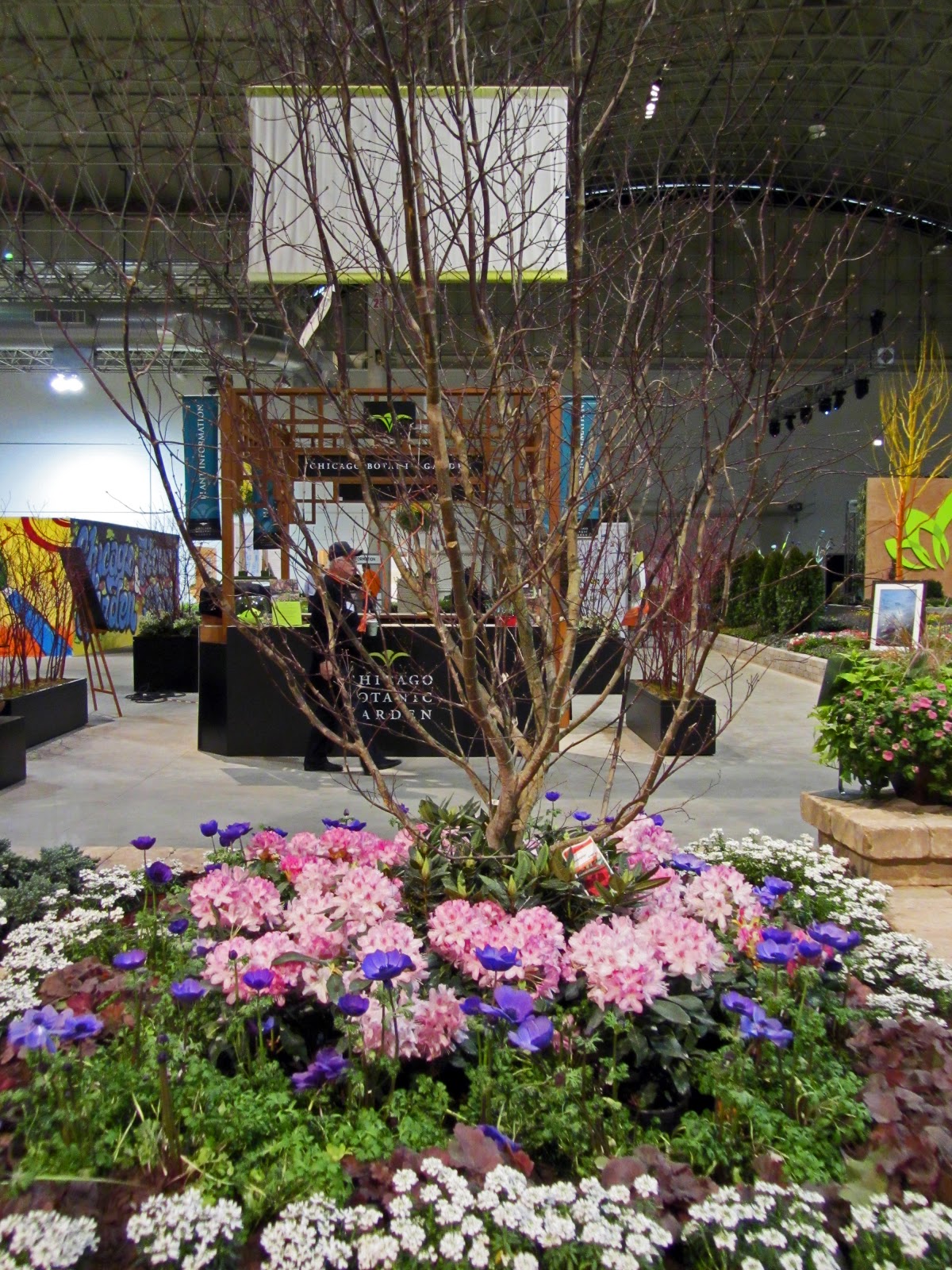
Chicago Flower And Garden Show 2013

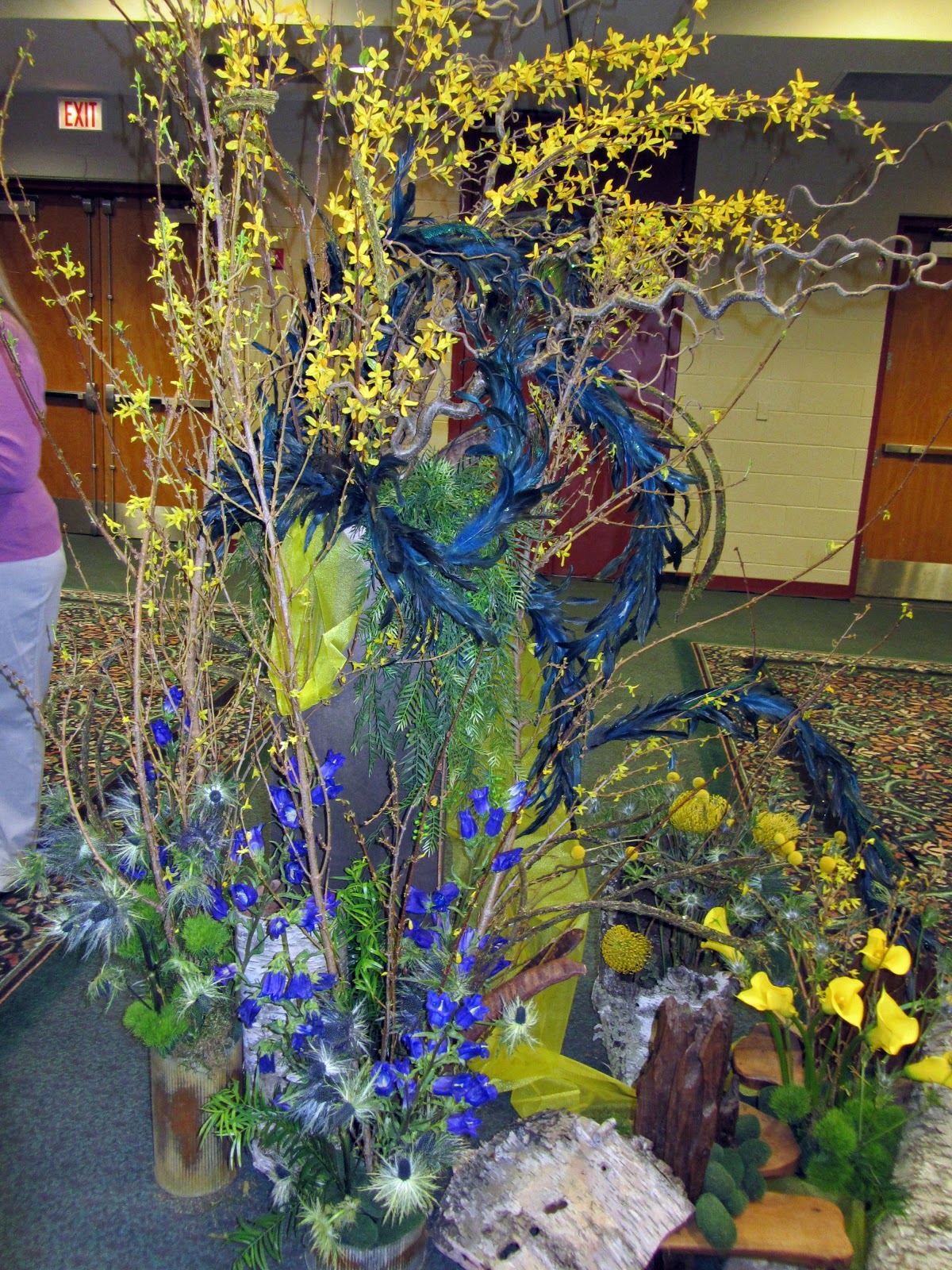
This year's theme was "The Art Of Gardening," so glad it is finally being seen as an art.  Gordon Hayward who wrote Art And The Gardener would be pleased!

There actually was an all out art show in a variety of mediums.


I attended this year again with the Garden Writers Association and do enjoy being able to photograph the show before the public arrives and hearing the many new things that are happening with the show and the latest trends in gardening.

The look is more woodland, natural and sweeping with plantings, shrubs, bulbs, perennials and annuals that weave in and out through trees and conifers.

 
When you peek through you can see plantings along with garden art.


Masses of Heucheras under trees
 
Plantings are not always an easy task under mature trees.  The look is wonderful but not realistic in many of our gardens.
 
Amelanchier (Serviceberry) was used extensively in many of the gardens.  This is one of my favorites for beauty throughout four seasons, flowers, berries, beautiful fall foliage and attractive gray bark.
 
The director of the show still espouses his mission to inspire, motivate and educate with next year's theme already on the books as Do Green, Do Good.
 
The Peterson Project is an urban green project being introduced in many Chicago neighborhoods.


All of the speakers gave kudos to the garden writers saying how important we are in getting their message across to the world.  The Landscape Architect Terry Guen spoke about our mission to write about beauty and climate change, Roy Diblik (Lurie Garden and Northwind Perennial Farm) wants his philosophy about sustainability and plant communities to gain worldwide acceptance.
 
Communities of plantings at the Lurie Garden

Roy spoke about my favorite subject getting children involved in plant communities, growing vegetables interspersed with perennials.  We know children love the veggies so why not introduce them to other garden plants growing next to the tomato plant.  I grow daylilies and nasturtiums in my veggie garden.  There were many children's activities throughout the show this year.

Daylily Ice Carnival in the veggie garden, companion to tomatoes, lettuce, onions, etc.


Layering was an important message, not just for the small garden like mine, but for sustainability.  Close and succession planting promotes dew forming on companion plants that drips down into the soil benefiting all of the surrounding plants.

A great example of layering at Northwind Perennial Farm in Burlington, Wisconsin.  Roy Diblik used Piet Oudolf as his inspiration.

Containers were played down this year, maybe because they have a more difficult time with sustainability!  They are large and tall with impressive height in the plants chosen.

Houseplants are prevalent this year in most of the containers.


Containers used as artifacts
 
Pieces of artifacts used casually
 
Outdoor furniture continues to be more homelike and comfortable - wicker preferred to metal.
 
 
The Chicago Flower and Garden Show is becoming more real for the everyday gardener.  It has inspired me to continue on the road to make a more natural garden with interest throughout the year.  It has motivated me to seek out more sustainabile and plant communities for my garden and educated me even more so why I should be doing all of the above!